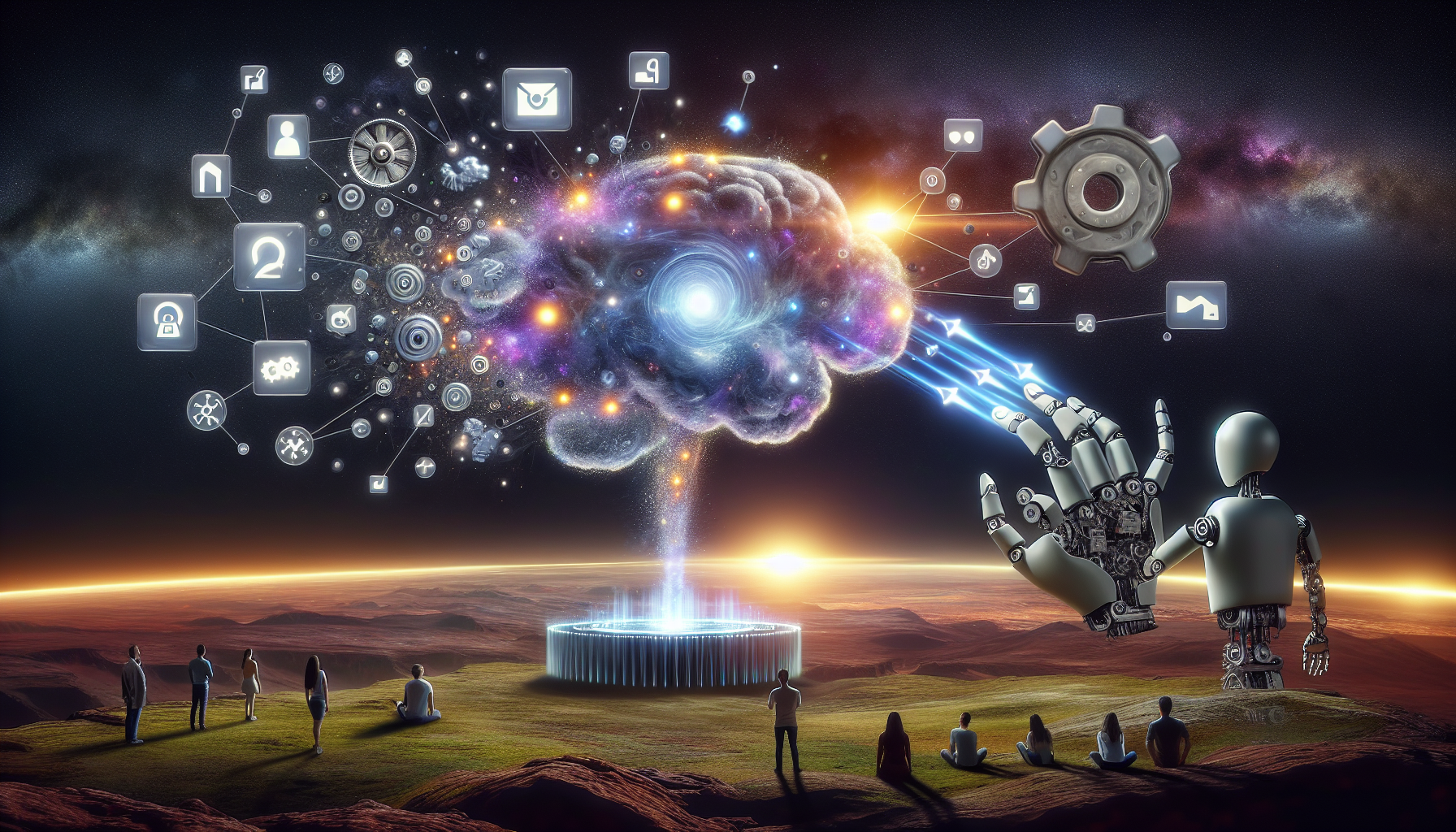
The Power of AI in Building Hyper-Targeted Facebook Ad Campaigns
Introduction to AI-Driven Advertising
In the bustling world of digital marketing, where every click counts, the integration of Artificial Intelligence (AI) into advertising strategies has revolutionized how businesses approach their campaigns. Specifically, on platforms like Facebook, AI’s ability to analyze vast amounts of data and deliver hyper-targeted ads has become a game-changer. This article delves into the power of AI in building hyper-targeted Facebook ad campaigns, exploring its mechanisms, benefits, and real-world applications.
Understanding Hyper-Targeting with AI
Hyper-targeting refers to the practice of tailoring advertisements to very specific segments of the audience. AI enhances this process by utilizing complex algorithms to sift through user data, such as browsing behavior, purchase history, and even sentiment analysis, to create highly personalized ad experiences. This level of precision ensures that ads are not only seen but also resonate deeply with the intended audience, increasing the likelihood of engagement and conversion.
The Mechanics Behind AI-Powered Ads
AI in Facebook advertising operates through several key mechanisms. First, AI algorithms analyze user data to identify patterns and preferences. This includes everything from the types of content users engage with to the times they are most active online. Next, these insights are used to dynamically adjust ad placements and content. For instance, if the AI detects that a user frequently engages with posts about fitness, it might prioritize showing that user ads related to health and wellness products.
Additionally, AI continuously learns from user interactions with ads. If a particular ad format or messaging style leads to higher engagement, the AI will adapt future campaigns to incorporate these successful elements, optimizing the ad strategy over time.
Benefits of AI-Driven Hyper-Targeting
The use of AI in building hyper-targeted Facebook ad campaigns offers several significant benefits. Firstly, it increases ad relevance. By showing ads that align closely with users’ interests and behaviors, businesses can improve click-through rates and overall engagement. Secondly, AI-driven campaigns can lead to better conversion rates. When ads are highly personalized, they are more likely to prompt users to take the desired action, whether that’s making a purchase, signing up for a newsletter, or downloading an app.
Another advantage is the potential for cost savings. By optimizing ad spend to focus on the most promising audience segments, businesses can achieve a higher return on investment (ROI). Finally, AI helps in scaling advertising efforts. As the platform grows and more data becomes available, AI can handle the increased complexity, ensuring that ad campaigns remain effective and efficient.
Real-World Applications and Success Stories
Many businesses have already harnessed the power of AI to build successful hyper-targeted Facebook ad campaigns. For example, a small e-commerce store specializing in eco-friendly products used AI to identify and target environmentally conscious consumers. By analyzing user data, the AI identified that these consumers often engaged with content related to sustainability and green living. The store then tailored its ads to highlight the eco-friendly aspects of its products, resulting in a 50% increase in click-through rates and a significant boost in sales.
Similarly, a tech startup used AI to optimize its ad campaigns for a new app launch. By analyzing user data, the AI identified the best times to show ads and the most effective ad formats. This led to a 30% increase in app downloads compared to previous campaigns that did not utilize AI.
Challenges and Considerations
While the benefits of AI-driven hyper-targeting are clear, there are also challenges and considerations to keep in mind. One major concern is privacy. As AI relies heavily on user data, businesses must navigate the complex landscape of data privacy regulations and ensure that they are collecting and using data ethically.
Another challenge is the need for continuous learning and adaptation. AI algorithms require regular updates and monitoring to maintain their effectiveness. This means businesses must invest in ongoing training and development to keep their AI systems up to date.
Finally, there is the risk of over-reliance on AI. While AI can significantly enhance ad campaigns, it should be used as a tool to support, rather than replace, human creativity and strategic thinking. Businesses must strike a balance between leveraging AI’s capabilities and maintaining a human touch in their advertising efforts.
Conclusion
The power of AI in building hyper-targeted Facebook ad campaigns is undeniable. By analyzing vast amounts of user data and delivering highly personalized ads, AI can help businesses achieve higher engagement, better conversion rates, and improved ROI. However, it is essential to approach AI-driven advertising with a clear understanding of its benefits and challenges. By doing so, businesses can harness the full potential of AI to create effective and impactful ad campaigns.
What is your reaction?


You may also like

The Role of AI in Simplifying PPC Campaign Management


Exploring How AI is supercharging Facebook ad performance

Exploring How quantum computing will disrupt digital marketing strategies