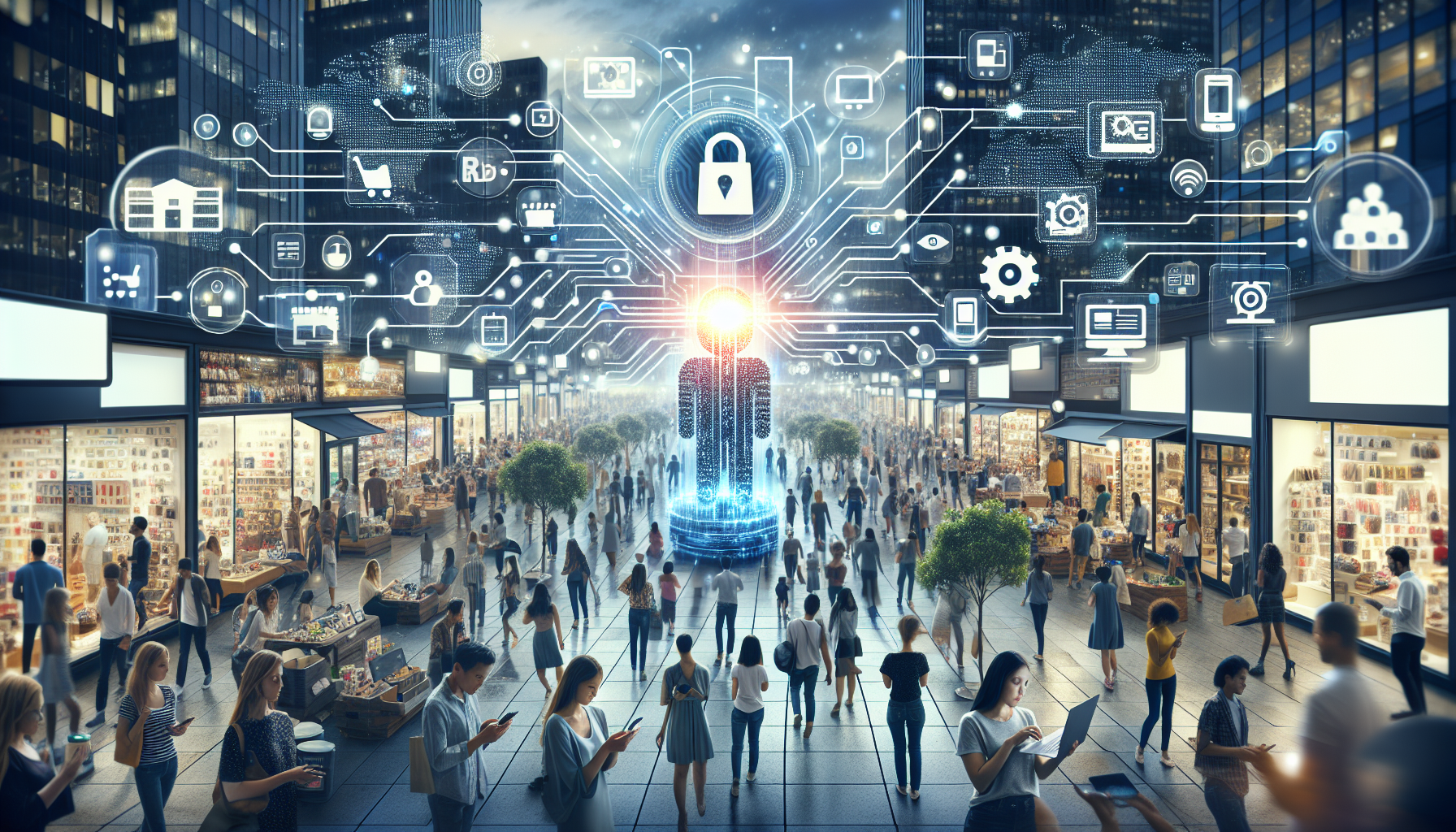
Exploring Why machine learning is the future of eCommerce personalization
In the bustling digital marketplace, where every click and scroll can lead to a purchase, eCommerce businesses are constantly seeking ways to stand out and connect with their customers on a personal level. Enter machine learning, the technological marvel that’s not just shaping but revolutionizing the future of eCommerce personalization. But why is machine learning so pivotal, and how is it changing the game? Let’s dive in.
The Power of Predictive Personalization
At the heart of machine learning’s impact on eCommerce is its ability to predict customer behavior. Unlike traditional methods that rely on static data and broad generalizations, machine learning algorithms can analyze vast amounts of data in real-time to understand individual customer preferences. This predictive power allows for a level of personalization that was previously unimaginable.
For instance, imagine logging into your favorite online store and being greeted with product recommendations that are not just relevant but eerily spot-on. That’s machine learning at work, using your past behavior, search history, and even the time you spend on certain pages to tailor your shopping experience. It’s like having a personal shopper who knows you better than you know yourself.
Enhancing Customer Experience Through Dynamic Content
One of the most exciting aspects of machine learning in eCommerce is its ability to dynamically adjust content to suit individual users. Whether it’s changing the layout of a webpage, tweaking the messaging, or even altering the images displayed, machine learning can ensure that each customer’s experience is uniquely tailored to their interests and behaviors.
This dynamic content isn’t just about making the shopping experience more enjoyable; it’s also about making it more efficient. By showing customers what they’re most likely to be interested in, eCommerce sites can reduce the time it takes for a customer to find and purchase a product. This not only boosts conversion rates but also enhances overall customer satisfaction.
Personalized Marketing and Advertising
Marketing and advertising are other areas where machine learning is making significant inroads. By analyzing customer data, machine learning algorithms can help eCommerce businesses create highly targeted marketing campaigns that resonate with individual consumers. This means ads that are more relevant, more engaging, and ultimately, more effective.
But it’s not just about showing the right ads; it’s also about showing them at the right time. Machine learning can predict when a customer is most likely to make a purchase and tailor marketing efforts accordingly. This level of precision is transforming how eCommerce businesses approach marketing, making it more personalized and impactful than ever before.
Improving Customer Retention and Loyalty
Personalization isn’t just about attracting new customers; it’s also about keeping them. Machine learning can help eCommerce businesses understand what keeps customers coming back and use that knowledge to foster loyalty. By offering personalized rewards, recommendations, and even customer service, businesses can create a shopping experience that feels bespoke to each individual.
This focus on retention is crucial in a competitive market where customer loyalty can make or break a business. By leveraging machine learning to understand and cater to individual customer needs, eCommerce businesses can build stronger, more lasting relationships with their customers.
The Role of Machine Learning in Inventory Management
Beyond personalization, machine learning is also revolutionizing inventory management in eCommerce. By predicting demand patterns, machine learning algorithms can help businesses optimize their stock levels, reducing the risk of overstocking or stockouts. This not only improves efficiency but also enhances the customer experience by ensuring that popular products are always in stock.
Moreover, machine learning can help businesses identify trends and adjust their inventory accordingly. This means being able to quickly capitalize on emerging trends and meet customer demand more effectively. In a fast-paced eCommerce environment, this ability to adapt and respond to market changes is invaluable.
Challenges and Considerations
While the benefits of machine learning in eCommerce personalization are clear, there are also challenges to consider. Data privacy is a significant concern, as businesses must ensure that they are using customer data responsibly and transparently. Additionally, the implementation of machine learning systems can be complex and costly, requiring significant investment in technology and expertise.
However, these challenges are not insurmountable. With the right approach and a commitment to ethical practices, eCommerce businesses can harness the power of machine learning to create personalized experiences that delight customers and drive growth.
The Future is Personal
As we look to the future, it’s clear that machine learning will continue to play a pivotal role in eCommerce personalization. From predictive recommendations to dynamic content and targeted marketing, the possibilities are endless. By embracing machine learning, eCommerce businesses can create shopping experiences that are not just personalized but truly transformative.
In a world where customers crave connection and relevance, machine learning offers a way to meet those needs in a way that’s both efficient and effective. The future of eCommerce is personal, and machine learning is leading the way.
What is your reaction?


You may also like

Exploring How AI is supercharging Facebook ad performance


Exploring How to Leverage Machine Learning to Personalize eCommerce Experiences

Exploring How quantum computing will disrupt digital marketing strategies